Placement d'un cathéter veineux central échoguidé : une revue structurée et des recommandations pour la pratique clinique
Bien que la mise en place d'un cathéter veineux central (CVC) soit une procédure de routine en médecine de soins intensifs et en anesthésiologie, des complications graves aiguës (telles qu'une ponction artérielle ou une canulation, un hématome, un hémothorax ou un pneumothorax) surviennent chez une proportion importante de patients. L'utilisation de l'échographie (US) a été proposée pour réduire le nombre de complications du CVC et pour augmenter la sécurité et la qualité du placement du CVC.
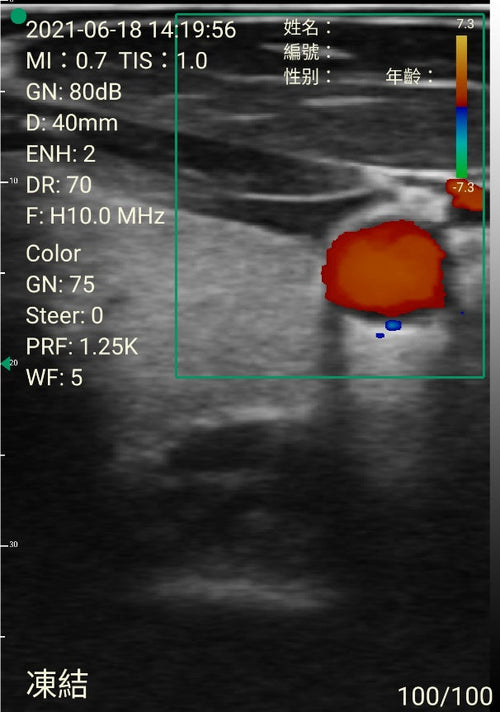
POCUS est utilisé pour guider diverses procédures d'urgence telles que l'insertion d'un cathéter veineux central, l'insertion difficile d'un cathéter artériel et veineux périphérique, l'arthrocentèse, la gestion des voies respiratoires, la thoracentèse, la paracentèse, la ponction lombaire et les blocs nerveux régionaux. L'utilisation de POCUS pour guider la procédure aide à améliorer le taux de réussite et à réduire le taux de complications et est considérée comme la norme de soins pour l'insertion d'un cathéter veineux central.
Guidage échographique des blocs des membres supérieurs et inférieurs
Il existe des preuves que les blocs nerveux périphériques réalisés par guidage échographique seul, ou en combinaison avec le SNP, sont supérieurs en termes d'amélioration du bloc sensoriel et moteur, de réduction du besoin de supplémentation et de moins de complications mineures signalées. L'utilisation des ultrasons seuls raccourcit le temps de performance par rapport à la stimulation nerveuse, mais lorsqu'elle est utilisée en combinaison avec le SNP, elle augmente le temps de performance.
L'échographie pulmonaire : un nouvel outil pour le cardiologue
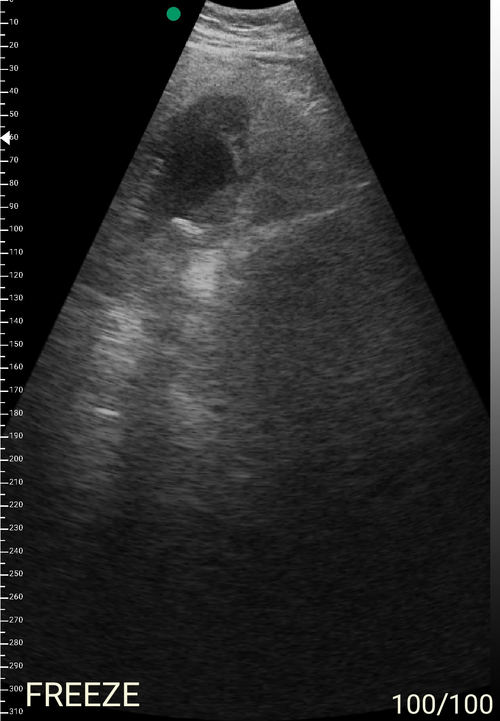
Pendant de nombreuses années, le poumon a été considéré comme interdit aux ultrasons. Cependant, il a été récemment démontré que l'échographie pulmonaire (LUS) peut représenter un outil utile pour l'évaluation de nombreuses affections pulmonaires dans les maladies cardiovasculaires. L'application principale du LUS pour le cardiologue est l'évaluation des lignes B. Les lignes B sont des artefacts de réverbération, provenant de septa interlobulaires pulmonaires épaissis à l'eau. Plusieurs lignes B sont présentes dans la congestion pulmonaire et peuvent aider à la détection, à la semi-quantification et à la surveillance de l'eau pulmonaire extravasculaire, au diagnostic différentiel de la dyspnée et à la stratification pronostique de l'insuffisance cardiaque chronique et des syndromes coronariens aigus.
Échographie au point de service au service des urgences
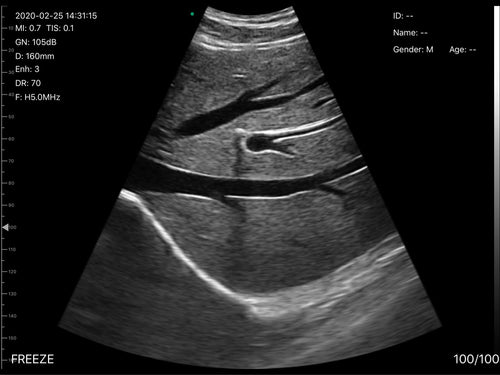
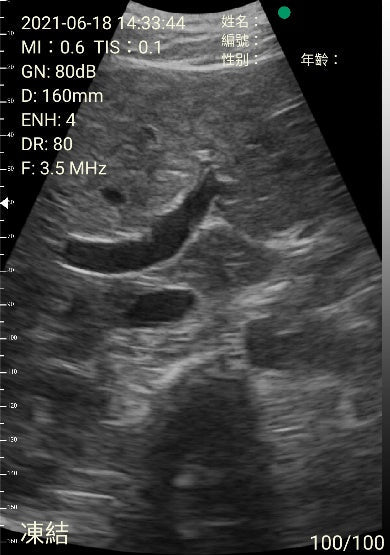
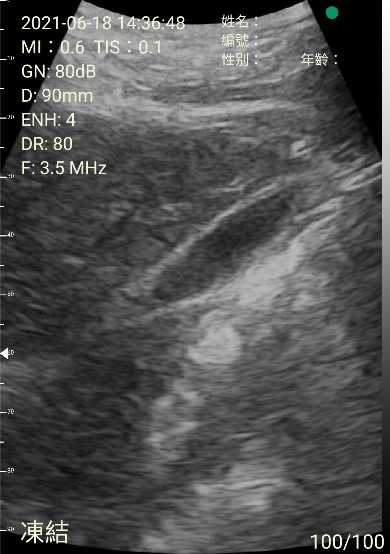
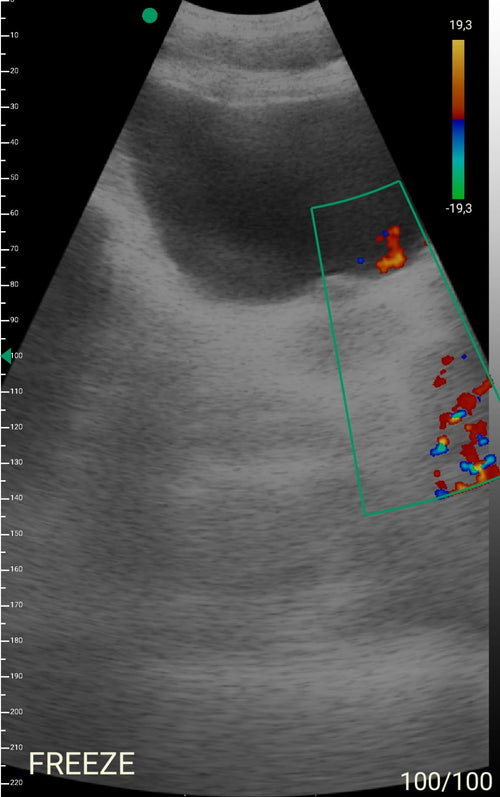
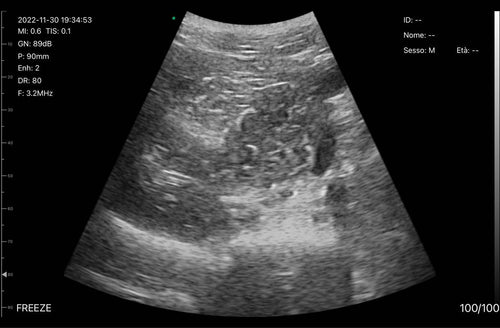
L'échographie au point de service (POCUS) est un outil de diagnostic utile et fait désormais partie intégrante des soins prodigués au service des urgences. Il a évolué au cours des deux dernières décennies pour inclure des compétences diagnostiques et thérapeutiques. POCUS aide les médecins d'urgence à améliorer la précision de leur diagnostic et à fournir de meilleurs soins globaux aux patients. Ce chapitre résumera 13 applications POCUS de base qui sont considérées dans l'arsenal diagnostique de tous les médecins d'urgence.
Échographie au point de service : bientôt disponible en soins primaires ?
Pour toutes ces applications, le POCUS est sûr, précis et bénéfique et peut être réalisé avec une formation relativement faible par des spécialistes non radiologues, y compris des médecins de famille.